Stimulant addiction is notoriously difficult to overcome, but we’ve seen countless patients achieve lasting recovery when they receive targeted therapy and proper clinical support. Unlike other addictions, stimulant use disorders currently have no FDA-approved medications, making behavioral therapies and comprehensive treatment programs essential for lasting recovery.
California has become the testing ground for breakthrough stimulant addiction treatments, from UCLA’s medication trials to the contingency management programs pioneered in our state clinics. Research institutions like UCLA conduct groundbreaking clinical trials on promising medication combinations. At the same time, treatment centers increasingly emphasize contingency management, cognitive behavioral therapy, and trauma-informed care to address the complex psychological factors underlying stimulant use.
At Peak Path Health, located in the Hollywood Hills and Woodland Hills of Los Angeles, California, we understand that stimulant addiction often occurs alongside co-occurring conditions such as ADHD, depression, or trauma-related disorders. Our integrated addiction treatment approach addresses both substance use disorders and underlying mental health conditions simultaneously, significantly improving long-term recovery outcomes.
We help people understand the difference between physical dependence, where the body adapts to a drug, and addiction, which involves loss of control. Physical dependence can occur with prescribed use, but addiction involves continued use despite negative consequences in work, relationships, and health.
Cocaine addiction: Cocaine is a powerful illicit stimulant that produces intense euphoria and energy, but is highly addictive due to its rapid effects on dopamine levels in the brain. The short duration of impact often leads to repeated use in a single session.
Methamphetamine addiction: Methamphetamine has longer-lasting effects than cocaine and is associated with a higher risk of addiction, severe dental problems, and significant neurological damage.
Prescription stimulant addiction: Medications like Adderall and Ritalin, prescribed for ADHD or narcolepsy, can lead to addiction when misused.
Types of Stimulants and Their Side Effects
- Illicit stimulants: Cocaine, methamphetamine, and crack cocaine are illegal drugs with high abuse potential.
- Prescription stimulants: Amphetamines (Adderall), methylphenidate (Ritalin), and modafinil are prescribed for medical conditions but are frequently misused. College students and working professionals often misuse these medications to enhance academic or work performance.
- Synthetic stimulants: Bath salts and synthetic cathinones are man-made substances that mimic the effects of traditional stimulants. Emergency departments have reported severe reactions, including extreme agitation, violent behavior, and life-threatening cardiovascular complications.
- Over-the-counter/natural stimulants: Caffeine (coffee, tea, soda) and nicotine (tobacco, vapes).
Signs and Symptoms of Stimulant Abuse
- Rapid weight loss: Unintentional and significant decrease in body weight over weeks or months
- Dilated pupils: Noticeably enlarged pupils even in normal lighting conditions
- Increased heart rate: Palpitations or irregular heartbeat that persists beyond normal activity
- Insomnia: Difficulty falling or staying asleep for extended periods
- Dental problems: Tooth decay and gum disease, especially with methamphetamine use
- Increased aggression: Sudden irritability or hostility toward others without a clear cause
- Risky behaviors: Engaging in unsafe activities or poor decision-making patterns
- Neglecting responsibilities: Missing work, school, or family obligations regularly
- Secretive behavior: Hiding drug use or lying about activities and whereabouts
- Paranoia: Unfounded suspicion or fear of others that interferes with daily life
- Anxiety: Persistent nervousness or panic attacks that occur without clear triggers
- Depression during crashes: Intense sadness or hopelessness after stimulant effects wear off
- Mood swings: Rapid and unpredictable changes in emotional state throughout the day
If you notice symptoms of overdose, such as chest pain, seizures, or loss of consciousness, seek immediate help. The National Suicide Prevention Lifeline (988) provides free, confidential support 24/7 for mental health crises.

How Stimulant Addiction Affects the Brain and Body
Over time, the brain adapts to these artificially high dopamine levels by reducing its natural production and decreasing the number of dopamine receptors. This neurological adaptation drives the compulsive drug-seeking behavior characteristic of addiction. Withdrawal symptoms emerge when stimulant use stops, with fatigue, depression, anxiety, and intense cravings dominating the early recovery period.
- Brain chemistry changes: Research published by NIDA shows that methamphetamine users can experience dopamine system damage that persists for months or even years after stopping use. Brain imaging studies reveal reduced dopamine transporter density in regions involved in reward processing and motivation.
- Physical health consequences: Cardiovascular damage represents one of the most serious physical risks of stimulant abuse.
- Long-term neurological effects: Prolonged stimulant use causes structural changes in the brain visible on imaging scans. NIDA research demonstrates that chronic methamphetamine use reduces gray matter in regions controlling memory, emotion, and decision-making.

Stimulant Addiction Rehab Center in Los Angeles
Stimulant detox requires medical supervision because withdrawal can trigger serious physical and psychological complications. The National Institute on Drug Abuse reports that stimulant withdrawal can lead to severe depression and suicidal ideation, making 24/7 monitoring essential during the acute phase.
The acute withdrawal phase typically lasts 7-14 days, with symptoms peaking around days 2-4. Initial symptoms include extreme fatigue, increased appetite, and intense sleep disturbances. Mood symptoms such as depression, anxiety, and irritability emerge within the first 24-48 hours.
At Peak Path Health, we provide comfort medications, nutritional support, and 24/7 monitoring to ease symptoms and ensure safety. Comfort medications may include sleep aids for insomnia, anti-anxiety medications for acute distress, and nutritional supplements to address deficiencies common in stimulant users.
The “crash” phase marks the initial withdrawal period and presents significant dangers. A 2024 study from UCLA found that the crash phase carries the highest risk for self-harm among individuals withdrawing from methamphetamine. Medical supervision during this vulnerable period provides immediate intervention when mental health symptoms escalate.
Cognitive behavioral therapy (CBT) addresses maladaptive thoughts and behaviors related to stimulant use while supporting relapse prevention and coping skills. Contingency management involves tangible rewards for stimulant-negative drug tests and represents the most robustly supported behavioral treatment for stimulant use disorder, with multiple meta-analyses confirming its effectiveness in reducing stimulant use.
Every client receives a comprehensive assessment, allowing us to create individualized care plans tailored to unique needs and co-occurring conditions. Research at the University of California health systems explores adaptations of mindful self-compassion therapy and cognitive processing therapies to address co-occurring PTSD and stimulant use disorders.
We address mental health and substance use disorders simultaneously, following guidelines for integrated treatment. High staff-to-client ratios and a luxury setting ensure attentive, discreet care and a supportive environment for recovery.
Living in our residential treatment setting removes the daily triggers and chaos that feed addiction, giving you the mental space to tackle recovery head-on. This level of care removes external triggers and distractions, allowing clients to engage fully in evidence-based therapies. Research shows that longer treatment duration correlates with improved success rates, particularly when programs combine behavioral therapies with comprehensive wellness support.
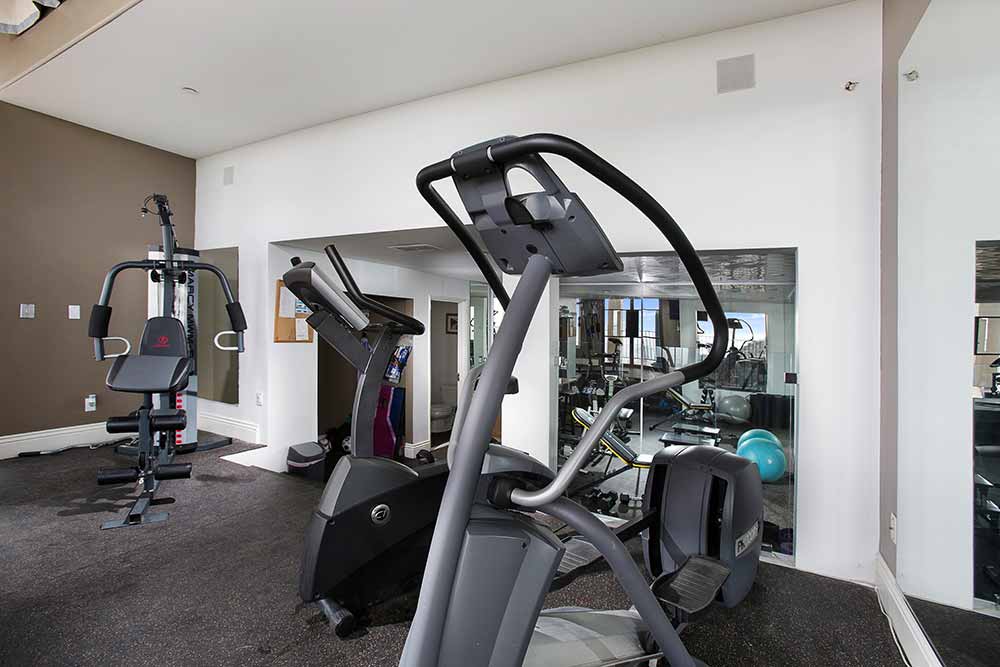
Luxury treatment environment benefits: Private accommodations in the Hollywood Hills offer a serene setting that supports healing. Chef-prepared meals provide proper nutrition to restore physical health compromised by stimulant use.
Comprehensive daily programming: Clients participate in a structured schedule that includes individual therapy sessions, group therapy, and educational programming about addiction and recovery. Daily activities also incorporate wellness practices like mindfulness meditation and physical exercise.
Individual and group therapy integration: Individual sessions allow clients to process personal issues, trauma, and co-occurring conditions such as post-traumatic stress disorder (PTSD) or depression that often accompany stimulant addiction. Group therapy provides peer support and reduces isolation, creating accountability networks that extend beyond treatment.
Behavioral therapies represent the primary treatment approach for stimulant use disorders. Research shows that clients who engage in these therapies often stay in treatment longer and have higher rates of maintaining sobriety.
Cognitive behavioral therapy helps people recognize patterns that lead to stimulant use. The approach teaches skills to identify triggers, challenge distorted thinking, and develop healthier responses to cravings.
Dialectical behavior therapy addresses emotional regulation challenges common in stimulant addiction. The therapy teaches four core skill sets: mindfulness, distress tolerance, emotion regulation, and interpersonal effectiveness.
Contingency management programs use tangible rewards to reinforce abstinence from stimulants. Research from the National Institute on Drug Abuse shows this approach improves both treatment retention and abstinence rates compared to standard care alone.
Peak Path Health integrates these evidence-based behavioral therapies into personalized treatment plans. Each approach addresses different aspects of recovery, from changing thought patterns to managing emotions and building motivation for sustained change.
Many people with stimulant addiction also experience co-occurring mental health conditions that require treatment at the same time. According to the Substance Abuse and Mental Health Services Administration (SAMHSA), approximately 40% of individuals with substance use disorders have co-occurring mental health conditions.
Research at the University of California health systems shows that trauma-informed therapies and mindfulness-based approaches are particularly effective for treating co-occurring PTSD and stimulant use disorders. Peak Path Health specializes in dual diagnosis care, bringing together mental health and addiction professionals to provide coordinated treatment.
ADHD and stimulant abuse: People with ADHD face a higher risk of developing stimulant use disorders. During recovery from stimulant addiction, treatment teams often prescribe non-stimulant ADHD medications to manage symptoms safely.
Depression and stimulant abuse: Stimulant crashes can worsen existing depression, while untreated depression often drives continued drug use. The National Institute on Drug Abuse reports that people with mood disorders are about twice as likely to develop substance use disorders compared to the general population.
Successful stimulant addiction recovery extends far beyond initial treatment, requiring ongoing support and relapse prevention strategies. Research shows that continuing care after residential treatment significantly improves outcomes for people recovering from methamphetamine and cocaine use disorders.
Step-down levels of care provide a gradual reintegration process. Intensive outpatient programs typically involve 9-12 hours of treatment per week, allowing people to maintain work or school responsibilities while receiving structured therapy.
Relapse prevention strategies form the foundation of lasting recovery from stimulant addiction. Cognitive Behavioral Therapy techniques help people identify high-risk situations before they lead to use. Learning to recognize early warning signs, such as increased stress, social isolation, or romanticizing past drug use, allows people to intervene before a full relapse occurs.
Peak Path Health’s aftercare services integrate evidence-based approaches with personalized support. Continuing care plans address individual triggers and risk factors identified during residential treatment.
Stimulant Addiction Treatment FAQs
Treatment duration varies based on individual circumstances and severity of use, with residential programs typically ranging from 30 to 90 days, followed by several months of outpatient support and ongoing aftercare.
Intensive outpatient programs allow many people to maintain work responsibilities while receiving treatment, though residential treatment may be recommended initially for safety and effectiveness, particularly for severe addiction or co-occurring mental health conditions.
Luxury treatment centers provide higher staff-to-client ratios, allowing for more personalized attention and customized care plans, while private accommodations and comprehensive wellness programs create conditions that support sustained engagement in treatment.
Most insurance plans cover stimulant addiction treatment as part of essential health benefits under the Affordable Care Act, though coverage varies by plan, including differences in deductibles, copayments, and approved treatment durations.
Complete recovery from stimulant addiction is achievable with proper treatment and ongoing support, with research from the National Institute on Drug Abuse indicating that about 40-60% of people maintain recovery after treatment, with success rates improving with longer treatment duration.

Begin Your Recovery Journey at Peak Path Health
Located in the Hollywood Hills and Woodland Hills of Los Angeles, CA, our luxury rehab facility offers private accommodations, chef-prepared meals, and a serene environment designed to promote healing. Our experienced team integrates evidence-based behavioral therapies with holistic practices, including mindfulness meditation, yoga, and nutritional support.
Recovery from stimulant addiction is possible with the right support and treatment approach. Our commitment to ethical, compassionate care and personalized treatment planning has helped many individuals achieve lasting change and rebuild their lives. Contact us to begin your personalized recovery journey.
https://www.samhsa.gov/data/report/2022-nsduh-annual-national-report
https://nida.nih.gov/research-topics/commonly-used-drugs-charts
https://nida.nih.gov/research-topics/methamphetamine
https://nida.nih.gov/publications/research-reports/cocaine/what-are-long-term-effects-cocaine-use
https://www.samhsa.gov/medications-substance-use-disorders
https://www.nimh.nih.gov/health/topics/substance-use-and-mental-health
https://nida.nih.gov/publications/research-reports/common-comorbidities-substance-use-disorders/introduction
https://www.samhsa.gov/find-help/national-helpline