Schizophrenia disrupts how people think, feel, and interact with the world around them. People with schizophrenia often experience hallucinations, delusions, and disorganized thinking. These symptoms can blur the line between what is real and what is not. These symptoms can make it hard to hold a job, maintain relationships, or manage everyday tasks.
According to the National Institute of Mental Health, schizophrenia impacts approximately 1.1% of the global population and typically emerges between ages 16 and 30. Getting treatment early makes a real difference, as it helps people manage symptoms and build stability that lasts.
At Peak Path Health in the Hollywood Hills and Woodland Hills of Los Angeles, California, our schizophrenia treatment center focuses on understanding each person’s unique challenges. We combine proven therapies with personalized treatment plans and whole-person support to help clients regain control and stay stable. A comprehensive dual diagnosis treatment program is also available for those facing co-occurring conditions.
The main symptom categories include:
- Positive symptoms: Hallucinations, delusions, and disorganized speech that represent experiences people without schizophrenia do not have
- Negative symptoms: Reduced emotional expression, decreased motivation, and social withdrawal
- Cognitive symptoms: Problems with attention, memory, and executive functioning
Catching it early and starting treatment right away gives people the best shot at managing symptoms effectively. With the right mix of medication, therapy, and support, many people get their symptoms under control and live full, meaningful lives.

What Are the Types of Schizophrenia?
- Paranoid Schizophrenia: Involved prominent delusions and hallucinations, often centered on fear, mistrust, or persecution.
- Disorganized Schizophrenia: Marked by disorganized thinking, speech, and behavior, along with emotional flatness or inappropriate responses.
Catatonic Schizophrenia: Severe movement disturbances, such as immobility, rigidity, or excessive, purposeless movement. - Undifferentiated Schizophrenia: Described symptoms that did not fit neatly into one category.
- Residual Schizophrenia: Refers to individuals with a history of schizophrenia who continue to experience lingering symptoms after acute episodes.
Today, clinicians focus on symptom severity and functional impact rather than subtype labels, allowing for more personalized and effective treatment plans.
What Are the Signs and Symptoms of Schizophrenia?
- Hallucinations involving hearing voices or seeing images not present
- Delusions such as paranoid or grandiose beliefs
- Disorganized thinking and difficulty speaking coherently
- Flat affect with reduced facial expressions
- Avolition or decreased motivation for tasks and self-care
- Social withdrawal and loss of interest in activities
- Memory impairment affecting recent events
- Attention deficits make focus difficult
- Executive dysfunction impacting planning and decision-making
To diagnose schizophrenia, symptoms need to last at least six months and seriously disrupt work, relationships, or self-care.


What Are the Causes and Risk Factors of Schizophrenia?
Family history: Lifetime risk rises from 0.5-1% in the general population to approximately 10% with an affected parent
Polygenic nature: Many small-effect genetic variants accumulate rather than following simple inheritance patterns
- Synaptic pruning: Research from Harvard Medical School indicates variants in the C4 gene increase pruning of neuronal connections during adolescence
- Neurodevelopmental disruptions: Processes starting prenatally may culminate in psychosis during late adolescence
- Prenatal exposures: Maternal infections during pregnancy may account for up to one-third of cases
- Childhood trauma and stress: These experiences can interact with genetic vulnerability
What Are the Effects of Untreated Schizophrenia?
- Increased hospitalization: Symptom escalation leads to more frequent crisis episodes
- Higher suicide risk: Lifetime risk ranges from 10-15%, significantly higher than the general population
- Substance abuse: Approximately 50% develop co-occurring substance use disorders
- Cognitive decline: Memory, attention, and decision-making abilities deteriorate over time
- Homelessness: Between 20-25% of people experiencing homelessness have schizophrenia
- Unemployment: Untreated symptoms interfere with maintaining employment
- Strained relationships: Behavioral changes create family conflicts
- Legal problems: Impaired judgment can lead to legal difficulties
Getting mental health treatment in Los Angeles, CA, early makes a major difference in how well people recover and stay stable. According to NIMH data, 72.9% of individuals who received care for schizophrenia experienced better symptom management.
How Is Dual Diagnosis Treated with Schizophrenia?
Schizophrenia and Addiction
Substance use disorders affect approximately 50% of people with schizophrenia, compared to 16.5% in the general population. Schizophrenia and addiction affect similar brain circuits, particularly those involving dopamine. Substance use prevalence among individuals with schizophrenia:
- Tobacco: 70% compared to 14% in the general population
- Alcohol: 25-35% experience alcohol use disorders
- Cannabis: Approximately 25% prevalence
- Stimulants and opioids: Less common but still elevated
Integrated treatment approaches address both conditions simultaneously through the same treatment team. This approach works better than treating conditions separately, as it cuts down on hospitalizations, reduces substance use, and improves psychiatric symptoms.
Schizophrenia Treatment at Peak Path Health
Our residential program includes round-the-clock clinical support in a structured setting where clients can focus completely on getting better. The Hollywood Hills location offers upscale amenities and a peaceful setting that supports the healing process.
Research comparing outpatient clinics found that 38% of patients received poor-quality medication management, and 52% had inadequate psychosocial care. Residential treatment fills these gaps with 24/7 professional support and one-on-one attention.
Peak Path Health uses therapeutic approaches proven to work for schizophrenia:
- Cognitive Behavioral Therapy (CBT): Identifies and changes harmful thought patterns
- Dialectical Behavior Therapy (DBT): Focuses on emotional regulation and distress tolerance
- Family Therapy: Involves loved ones in treatment planning and communication
- Group Therapy: Provides peer support and accountability
- Medication Management: Antipsychotic medications tailored to individual needs
Peak Path Health pairs traditional therapies with holistic methods that support overall well-being:
- Mindfulness and meditation practices
- Nutritional counseling and chef-prepared meals
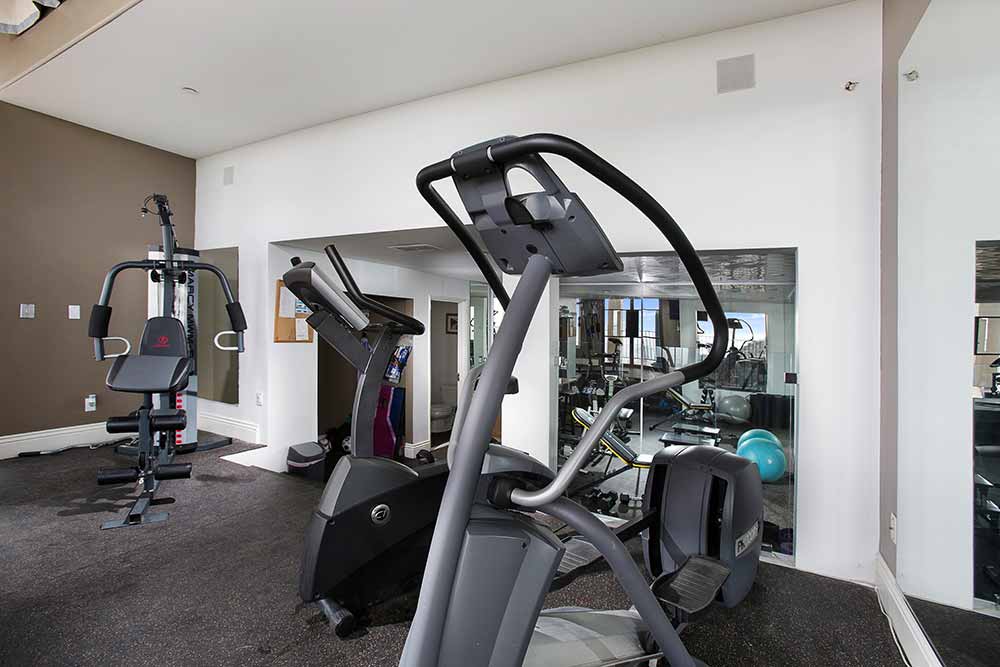
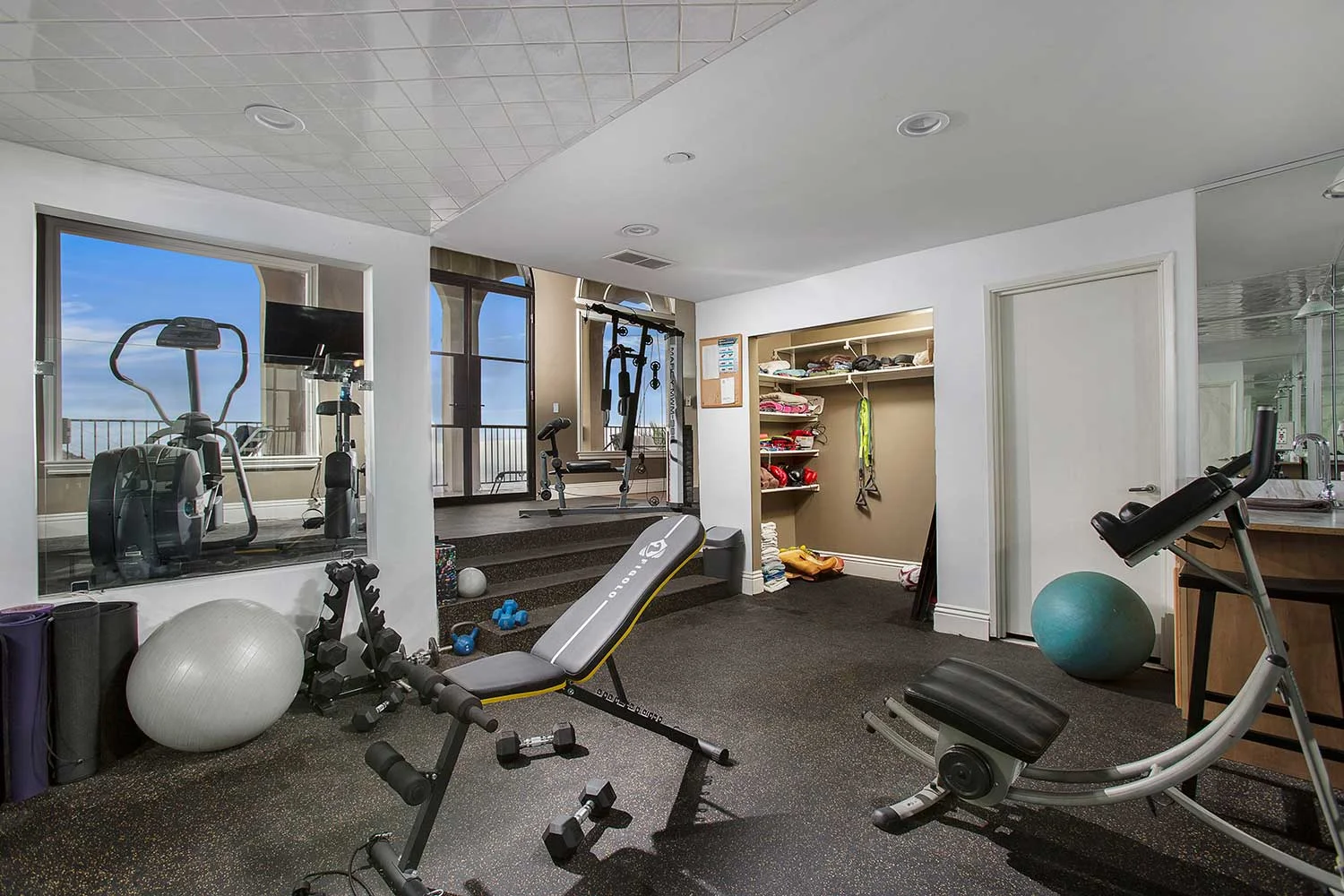
- Physical fitness and outdoor activities
- Creative and expressive therapies
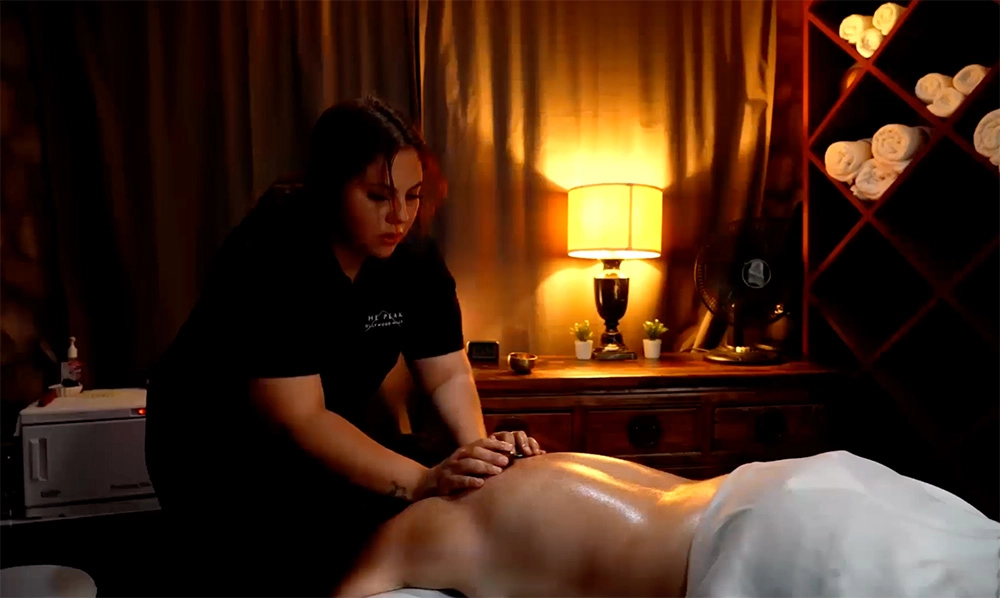
- Massage therapy and wellness services


What Are the Benefits of a Specialized Treatment Center?
Our clinical team specializes in both mental health and substance use disorders. Because our clinicians are cross-trained, they know how these conditions affect each other and adjust treatment accordingly. The team addresses medication management complexities specific to schizophrenia, coordinating psychiatric care with therapeutic interventions.
Located in the Hollywood Hills, our serene environment provides a therapeutic setting away from daily stressors. The peaceful setting reduces stress and environmental triggers while giving clients space to reflect. Aftercare planning covers relapse prevention, life skills training, and connections to community resources that support long-term recovery.
Schizophrenia Treatment FAQs
Early warning signs include social withdrawal, decline in personal hygiene, unusual beliefs, and changes in sleep patterns or work performance. Family members may notice the person speaking less or expressing ideas that seem disconnected from reality.
Schizophrenia can’t be cured, but it’s very treatable with the right medication and therapy. With consistent treatment, many people get their symptoms under control and live full, independent lives.
Schizoaffective disorder includes symptoms of both schizophrenia and a mood disorder, like depression. Schizophrenia primarily involves psychotic symptoms without a major mood component.
Schizoaffective disorder involves symptoms of both schizophrenia and mood disorders like depression or bipolar disorder, while schizophrenia primarily involves psychotic symptoms without the prominent mood component.
Dual diagnosis is common, with approximately 50% of people with schizophrenia also experiencing substance use disorders during their lifetime, along with anxiety, depression, and PTSD.
Treatment is typically long-term and individualized, with residential stays varying based on individual needs and progress. Some benefit from 28 days or more before transitioning to outpatient care.
Families can support loved ones by learning about schizophrenia, participating in family therapy, maintaining supportive communication, and encouraging treatment adherence.
Be on the Path to Stability and Wellness at Peak Path Health
Peak Path Health treats schizophrenia and co-occurring conditions at the same time through integrated care. Recovery does not stop when treatment ends; it includes ongoing aftercare, relapse prevention planning, and connections to community support.
If you or a loved one is seeking a schizophrenia treatment center, help is available. At Peak Path Health, we help clients build stability and lasting recovery through compassionate, proven care. Contact us to begin your personalized recovery journey.