Residential treatment is widely recognized as one of the most effective levels of care for individuals struggling with addiction, mental health disorders, or co-occurring conditions. Unlike outpatient treatment, residential programs provide around-the-clock clinical support in a structured environment where clients can step away from daily stressors and focus fully on healing. According to the Substance Abuse and Mental Health Services Administration (SAMHSA), nearly 48.7 million Americans experienced a substance use disorder in 2024, underscoring the ongoing need for comprehensive behavioral healthcare services.
For professionals, executives, and high-achieving adults in Los Angeles, finding time to prioritize recovery can be challenging amid demanding careers and personal obligations. Peak Path Health’s residential treatment center in the Hollywood Hills and Woodland Hills of Los Angeles, California, offers a private and supportive setting where clients can receive personalized care for addiction, mental health conditions, and dual diagnosis disorders while building a foundation for lasting recovery.

Residential treatment provides intensive, immersive care for individuals who need more support than outpatient services can offer. At residential treatment centers Los Angeles, clients live on-site while receiving a combination of therapy, medical oversight, and wellness-focused services. This structured environment allows individuals to focus fully on recovery while building the skills needed for long-term wellness.
Residential treatment is a form of inpatient care where individuals stay at a treatment facility for a designated period while participating in a structured recovery program. Treatment often addresses both substance use disorders and mental health conditions simultaneously, a practice known as dual diagnosis treatment.
Clients engage in individual counseling, group therapy, educational sessions, and wellness activities throughout the day. By removing everyday distractions and triggers, residential mental health treatment creates an environment where healing can become the primary focus.
Residential care is often recommended for individuals who:
- Have severe or long-standing addiction or mental health symptoms
- Have experienced relapse after outpatient treatment
- Need medical supervision during withdrawal or early recovery
- Lack a stable or supportive home environment
- Struggle to manage daily responsibilities due to their condition
Professionals experiencing burnout, anxiety, depression, or substance dependence often benefit from the structure and accountability residential treatment provides.
The primary difference between residential and outpatient care is the level of support. Residential clients remain at the facility and receive around-the-clock care, while outpatient participants attend scheduled appointments and return home afterward.
Outpatient treatment can be effective for individuals with milder symptoms and strong support systems. Residential treatment is generally recommended when symptoms are more severe, recovery has stalled, or safety and stability are concerns.
Why People Need Residential Treatment
Addiction and mental health disorders rarely develop because of a single factor. Instead, they often result from a combination of biological, psychological, and environmental influences, which luxury mental health treatment centers can address through comprehensive, individualized care.
Stress, trauma, grief, relationship problems, and major life transitions can all contribute to mental health challenges and substance misuse. Research from the National Institute on Drug Abuse (NIDA) identifies chronic stress as a significant risk factor for both developing and relapsing into substance use disorders.
When healthy coping skills become overwhelmed, individuals may turn to alcohol, drugs, or other harmful behaviors to manage emotional pain.
Executives, entrepreneurs, healthcare professionals, and other high performers often face unique stressors. Long work hours, constant demands, and pressure to succeed can contribute to anxiety, burnout, depression, and substance use.
Many professionals delay seeking treatment because they worry about career consequences or privacy concerns. A discreet residential program allows individuals to focus on recovery while protecting their confidentiality.
According to the National Institutes of Health (NIH), genetics may account for 40% to 60% of a person’s risk for developing addiction. However, environmental factors also play a major role.
Experiences such as childhood trauma, family instability, exposure to substance use, and chronic stress can increase vulnerability to both addiction and mental health disorders. Effective residential treatment addresses these underlying contributors rather than focusing solely on symptoms.

Signs That Residential Treatment May Be Necessary
Warning signs may include:
- Increased secrecy or isolation
- Persistent anxiety or depression
- Mood swings or irritability
- Difficulty managing daily responsibilities
- Using substances to cope with stress
- Loss of interest in previously enjoyed activities
When these patterns consistently interfere with work, relationships, or quality of life, a higher level of care may be appropriate.
Physical indicators can include:
- Withdrawal symptoms
- Significant changes in sleep patterns
- Weight gain or loss
- Chronic fatigue
- Declining overall health
For individuals struggling with substance dependence, withdrawal can sometimes be medically dangerous. Residential treatment provides professional monitoring and support during this critical stage.
Addiction and mental health disorders often affect every area of life. Missed deadlines, declining job performance, strained relationships, and frequent conflicts can all signal the need for intensive treatment.
For professionals, addressing these concerns early can help prevent long-term personal and career consequences.

The Broader Impact on Families and Well-Being
Addiction and mental health conditions affect more than just the individual. Families, partners, friends, and coworkers often experience the consequences as well, and many of them find themselves searching for answers to questions like how long does mania last as they try to understand what their loved one is going through.
Untreated conditions can make everyday tasks increasingly difficult. Managing finances, maintaining healthy routines, and meeting personal obligations may become overwhelming.
The Centers for Disease Control and Prevention (CDC) identifies mental health disorders as a leading contributor to disability and reduced quality of life in the United States.
Families frequently experience stress, confusion, and emotional exhaustion when supporting a loved one with addiction or mental health concerns. Communication often breaks down, and trust may be damaged over time.
Many residential programs incorporate family therapy to help rebuild relationships, improve communication, and strengthen support systems.
Without treatment, addiction and mental health disorders often worsen. Potential consequences include:
- Overdose
- Hospitalization
- Legal issues
- Relationship breakdowns
- Career disruption
- Increased mental health crises
Seeking treatment early can reduce these risks and improve the likelihood of lasting recovery.
Residential Treatment at Peak Path Health
Treatment plans may include:
- Cognitive Behavioral Therapy (CBT)
- Dialectical Behavior Therapy (DBT)
- Trauma-informed therapy
- Motivational interviewing
- Dual diagnosis treatment
These therapies are supported by clinical research and help clients identify unhealthy patterns, develop coping skills, and build healthier behaviors.
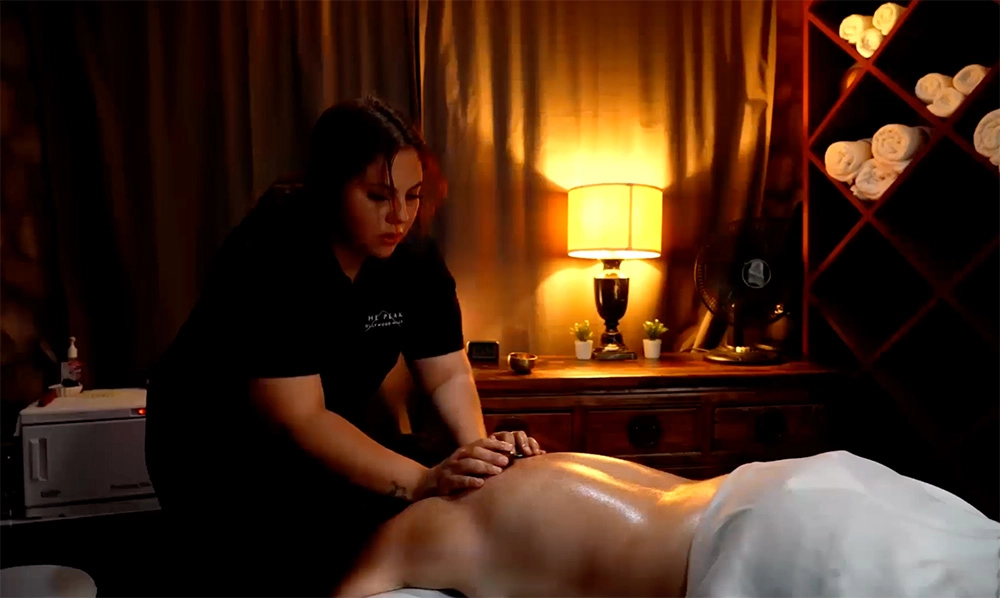
Recovery involves more than addressing symptoms. Peak Path Health integrates holistic therapy services that support overall health and personal growth, including:
- Mindfulness and meditation
- Yoga and movement-based activities
- Nutritional counseling
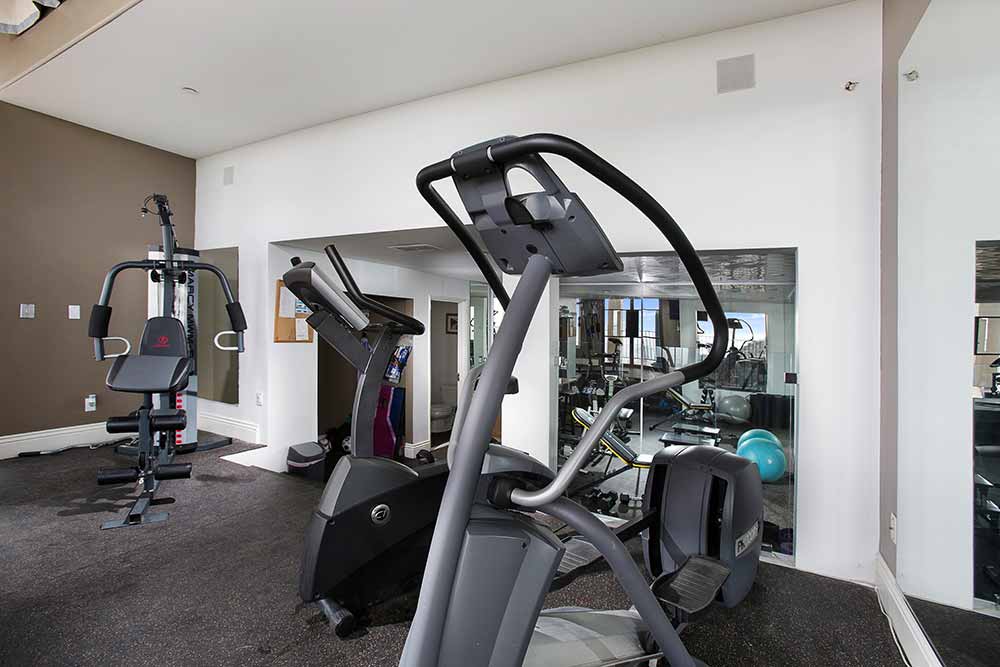
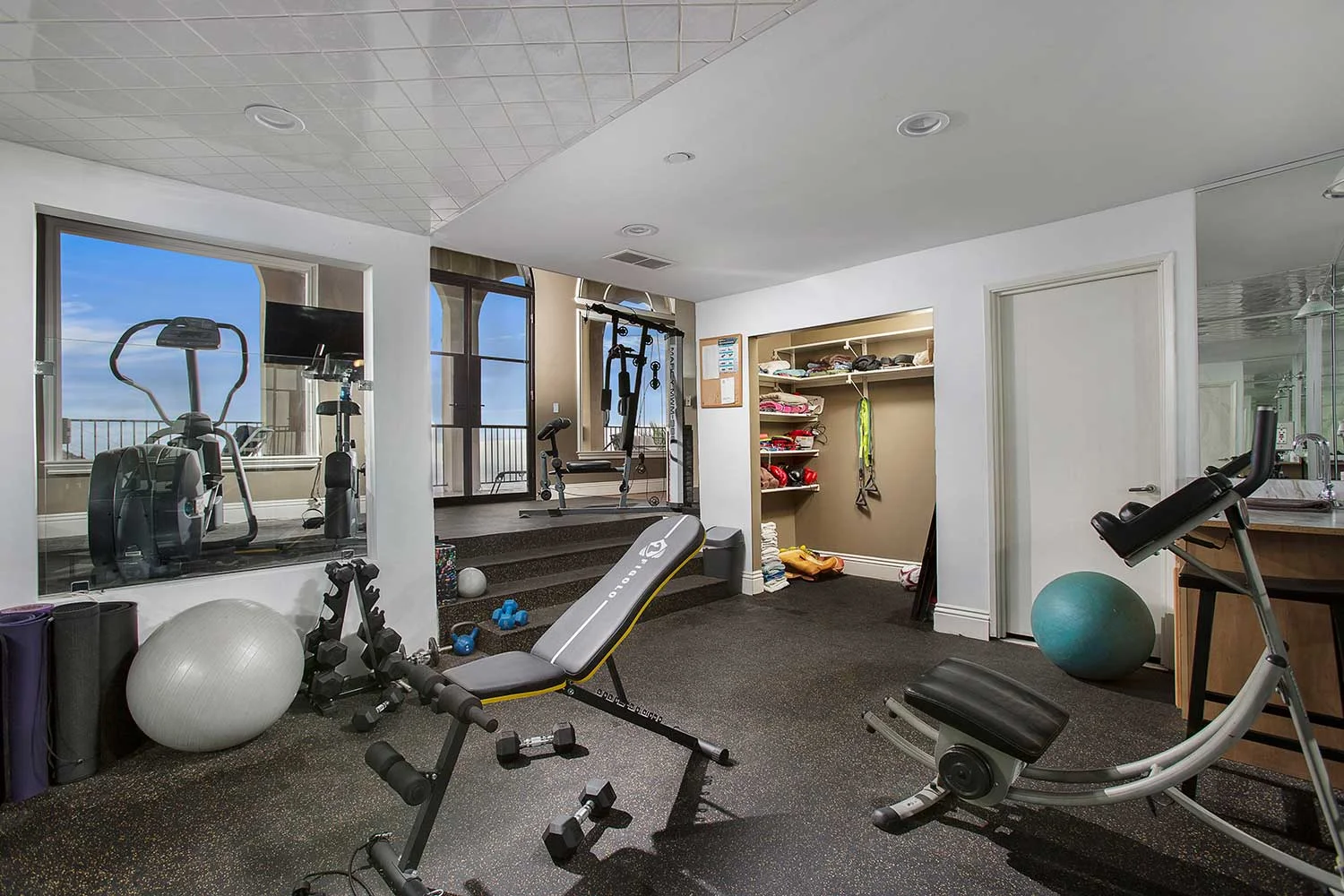
- Fitness programs
- Art and expressive therapies
By addressing the mind and body together, clients gain a more comprehensive foundation for long-term wellness.
Every client receives an individualized treatment plan developed by a multidisciplinary clinical team. Plans are adjusted as progress is made, ensuring care remains aligned with each person’s evolving needs and goals.
This personalized approach helps address underlying causes while supporting sustainable recovery.
What to Expect During Residential Treatment
Many people hesitate to seek treatment because they are unsure what the process involves. Understanding what to expect can make the decision less intimidating.
The admissions process typically begins with a confidential assessment. Clinical professionals review a client’s history, symptoms, goals, and treatment needs before recommending an appropriate plan of care.
The goal is to create a smooth, supportive transition into treatment while respecting privacy and individual circumstances.
A typical day may include:
- Individual therapy sessions
- Group counseling
- Educational workshops
- Wellness and fitness activities
- Personal reflection time
- Structured evening programming
This consistent routine helps clients establish healthy habits while developing skills they can use long after treatment ends.
Peak Path Health’s residential environment is designed to provide comfort, discretion, and support. Private accommodations, high-quality amenities, and chef-prepared meals help create a setting that feels restorative rather than institutional.
Confidentiality remains a top priority throughout the treatment process.


When to Seek Immediate Help
Certain situations require prompt professional intervention.
Immediate residential care may be necessary when someone is experiencing:
- Suicidal thoughts or behaviors
- Self-harm
- Severe withdrawal symptoms
- Repeated inability to stop using substances
- A mental health crisis that cannot be safely managed at home
In these circumstances, professional support can provide stabilization and protect safety.
Research consistently shows that earlier treatment leads to better outcomes. Seeking help before symptoms become severe often results in shorter treatment durations, stronger recovery outcomes, and fewer long-term consequences.
Early intervention can help preserve relationships, careers, and overall well-being while reducing the likelihood of future crises.
Supporting Long-Term Recovery
Recovery does not end when residential treatment concludes. Long-term success depends on continued support, healthy routines, and ongoing personal growth.
Before leaving residential treatment, clients work with their clinical team to create an aftercare plan. This may include:
- Outpatient therapy
- Support groups
- Sober living arrangements
- Psychiatric follow-up care
- Wellness and relapse-prevention strategies
Having a clear plan in place helps individuals maintain momentum and navigate challenges after treatment.
Peak Path Health combines evidence-based clinical care with holistic wellness practices to address all aspects of recovery. Clients leave treatment with practical skills, increased self-awareness, and healthier coping strategies that support lasting change.

Start Your Residential Treatment Journey
Through evidence-based therapies, holistic wellness services, and individualized treatment planning, clients receive the tools needed to build a healthier and more fulfilling future. Whether you are seeking help for yourself or a loved one, reaching out for information can be the beginning of meaningful and lasting recovery. Contact us today.