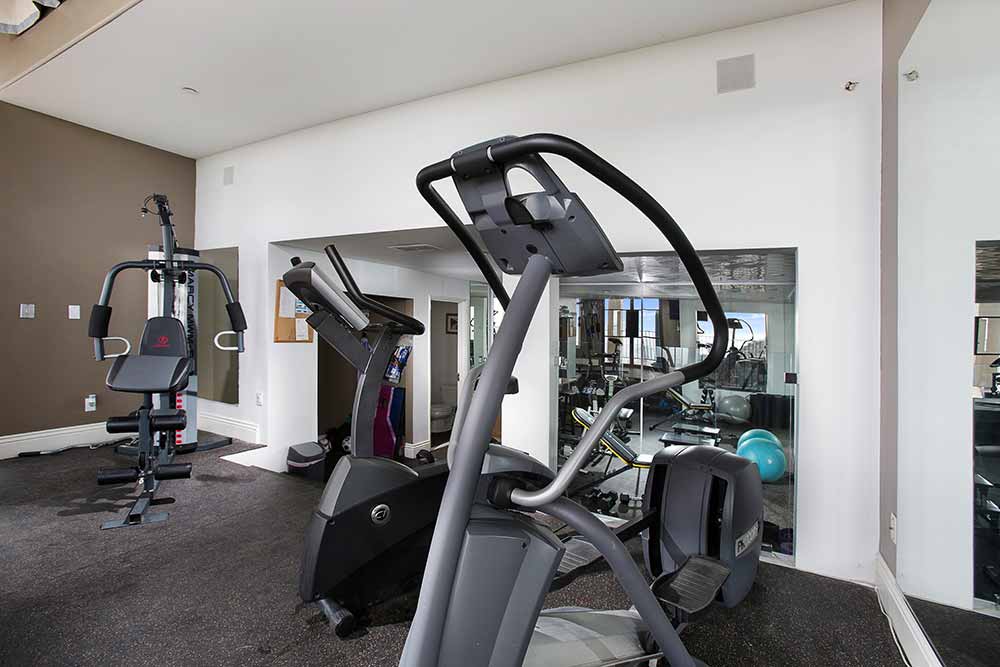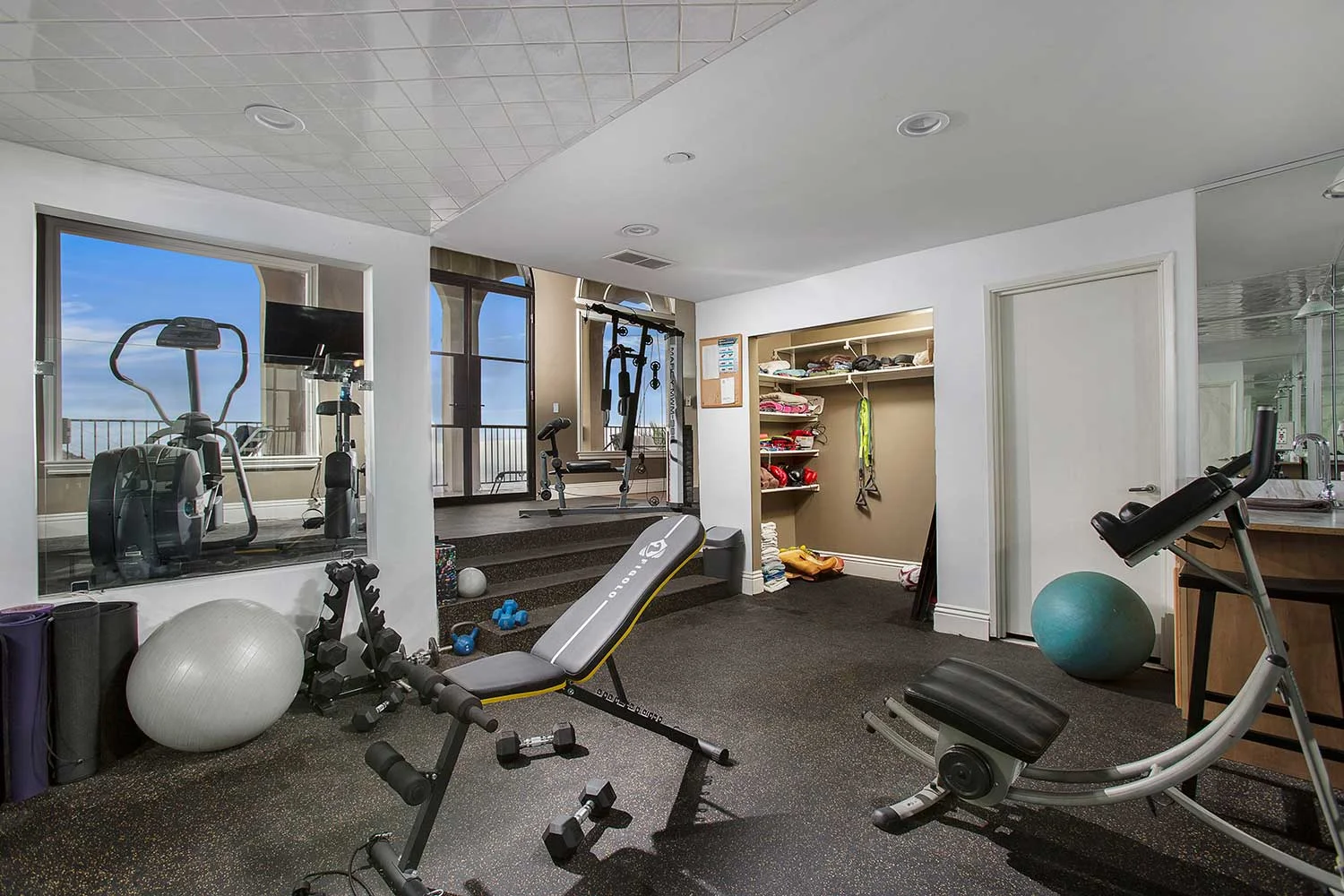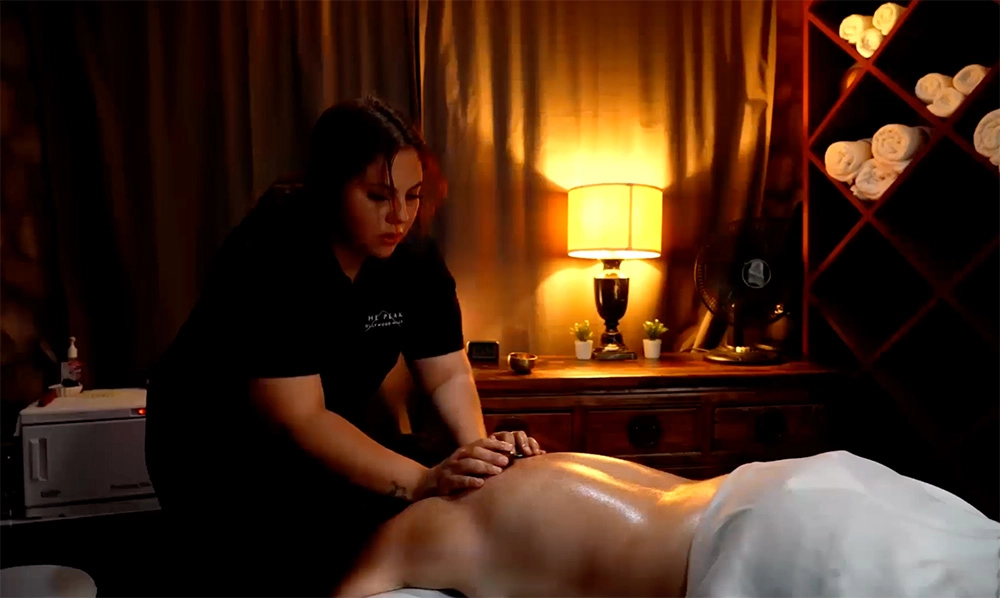
Peak Path Health, located in the serene Hollywood Hills and Woodland Hills of Los Angeles, California, offers a supportive, luxury environment designed for deep personal transformation. Proper preparation ensures clients can focus entirely on recovery from the moment they arrive. If there are specific questions about items not covered in this guide, the admissions team is available to provide clarity.
What Documents and Medical Information Are Needed?
A valid, government-issued photo ID is required for admission, insurance verification, and legal compliance. This documentation ensures a smooth check-in process.
- Driver’s license: The most commonly accepted form of identification for domestic clients.
- Passport: An acceptable alternative, particularly for international clients or those without a driver’s license.
- State-issued ID card: A valid option for non-drivers that fulfills all identification requirements.
Having physical copies of your insurance cards, prescription plan information, and any pre-authorization documents ensures seamless coverage verification. Include a list of emergency contacts, your primary care physician, and any legal representatives.
- Primary insurance card: Ensure this includes your member ID and group numbers for quick processing.
- Prescription plan card: Often separate from medical insurance and necessary for pharmacy coordination.
- Pre-authorization documents: Any approvals obtained before admission should verify coverage for specific services.
Bring all current medications in their original containers with pharmacy labels intact. This lets the medical team continue your treatment seamlessly.
Prescription details: A comprehensive list including dosages, prescribing physicians, and pharmacy contact information helps coordinate care effectively.
Supply quantity: Bring a 30-day supply of current medications to cover the initial phase while refills are arranged.

What to Pack for Rehab
Pack enough clothing for 7 to 10 days, since laundry facilities are generally available on-site. Focus on comfort and modesty, as you’ll be in therapeutic activities throughout the day. LA winters are mild (48°F to 68°F), so lightweight layers work well.
- Casual daily wear: T-shirts, comfortable pants, and modest shorts are ideal for daily therapy sessions.
- Undergarments and socks: Pack extra pairs for comfort between laundry cycles.
- Sleepwear: Pajamas, comfortable nightgowns, and a robe provide comfort during evening relaxation.
- Seasonal items: A light jacket is useful for cooler evenings, while a hat offers sun protection.
Physical activity supports recovery by reducing stress and improving mood. Peak Path Health offers fitness facilities and outdoor therapy opportunities, so pack activewear that allows movement.
- Yoga and fitness attire: Yoga pants, athletic shorts, and moisture-wicking shirts allow participation in wellness activities.
- Outdoor wear: Breathable fabrics are recommended for hiking or outdoor experiential therapies.
Comfortable, supportive footwear serves multiple purposes throughout treatment. Athletic shoes with good arch support work well for daily activities and therapy sessions.
- Athletic shoes: Sturdy walking or running shoes support participation in outdoor therapies and fitness activities.
- Shower shoes: Flip-flops or waterproof sandals help maintain hygiene in shared bathroom facilities.
- Casual footwear: Comfortable slip-ons or sandals are useful for relaxation time in the evenings.
Personal Hygiene Items for rehab
Basic Toiletries and Personal Care Products
Bringing personal hygiene items helps maintain daily routines and a sense of normalcy. Pack sealed, unopened products when possible, as it speeds up admission. Luxury facilities provide quality amenities, but bringing preferred brands can ease the adjustment.
- Hair care: Shampoo, conditioner, and alcohol-free styling products are permitted.
- Oral hygiene: Toothbrush, toothpaste, dental floss, and alcohol-free mouthwash are essential.
- Body care: Soap, deodorant, and lotion (unscented is often preferred) are standard requirements.
- Shaving supplies: Razors and shaving cream are generally allowed, though some facilities may restrict access for safety.
Alcohol-Free Products and Restrictions
Treatment facilities require alcohol-free personal care products to maintain a recovery-focused environment. Common items like mouthwash and hand sanitizer often contain high alcohol concentrations, which can trigger cravings. Check ingredient labels before packing.
- Ingredient checks: Look for “alcohol-free” labels and avoid products where alcohol is listed among the first three ingredients.
- Staff assistance: Admissions staff can help identify suitable alternatives or confirm if specific items are permitted.
Specialized Personal Care Items
Individuals with specific health needs should bring sufficient supplies. This includes feminine hygiene products, contact lens solution and cases, and prescription skincare items.
- Vision care: Glasses, contact lenses, and cleaning solutions should be packed in sufficient quantities.
- Feminine hygiene: Bring a supply of preferred products for comfort and convenience.
- Cultural or religious needs: Discuss specific grooming requirements with admissions staff for appropriate accommodations.
What Comfort Items Can Be Brought to Rehab?
Journals and Reading Materials
Journaling and reflective reading can be powerful tools during treatment. A journal helps you process emotions and track recovery milestones. Books provide structured downtime activities between sessions.
- Recovery literature: Books focusing on healing, self-improvement, or spiritual growth are encouraged.
- Journaling tools: A notebook and pen allow for private reflection and note-taking during therapy.
- Content restrictions: Avoid content that glorifies substance use or could be triggering.
Personal Photos and Small Mementos
Family photos in small frames help maintain emotional connections during treatment. Items like small religious objects, meaningful tokens, or family pictures provide comfort.
Emotional anchors: Photos of loved ones can serve as motivation during challenging moments.
Valuables: Leave expensive jewelry, heirlooms, and irreplaceable items at home.
Approved Electronics and Communication Devices
Electronics policies vary between facilities, with most programs restricting device use to support focused healing. Some devices may be permitted during designated times.
- Digital detox: Limiting screen time helps residents engage more fully with the therapeutic community.
- Communication windows: Scheduled times for phone calls allow family connection while maintaining treatment structure.
What Not to Bring to Rehab
Certain items are strictly prohibited to maintain a safe environment for all clients.
- Substances: Alcohol, illegal drugs, and medications not prescribed to you are forbidden.
- Paraphernalia: Items associated with substance use are not permitted.
- Weapons: Firearms, knives, and dangerous objects are prohibited.
- Sharp objects: Scissors, straight razors, and box cutters are typically restricted.
Valuable jewelry, large amounts of cash, and expensive electronics create unnecessary risk during treatment.
- Financial items: A small amount of cash ($50 or less) is sufficient for incidental purchases.
- Outside food and drink: Dietary supplements, energy drinks, and outside food generally require pre-approval.
Materials glorifying substance use, containing explicit content, or featuring triggering imagery are not permitted.
Clothing graphics: Apparel with offensive language or drug-related imagery is not appropriate.
Provocative clothing: Revealing items may be restricted based on facility guidelines.
What Are Some Tips for Packing Successfully?
How to Pack for Easy Inspection
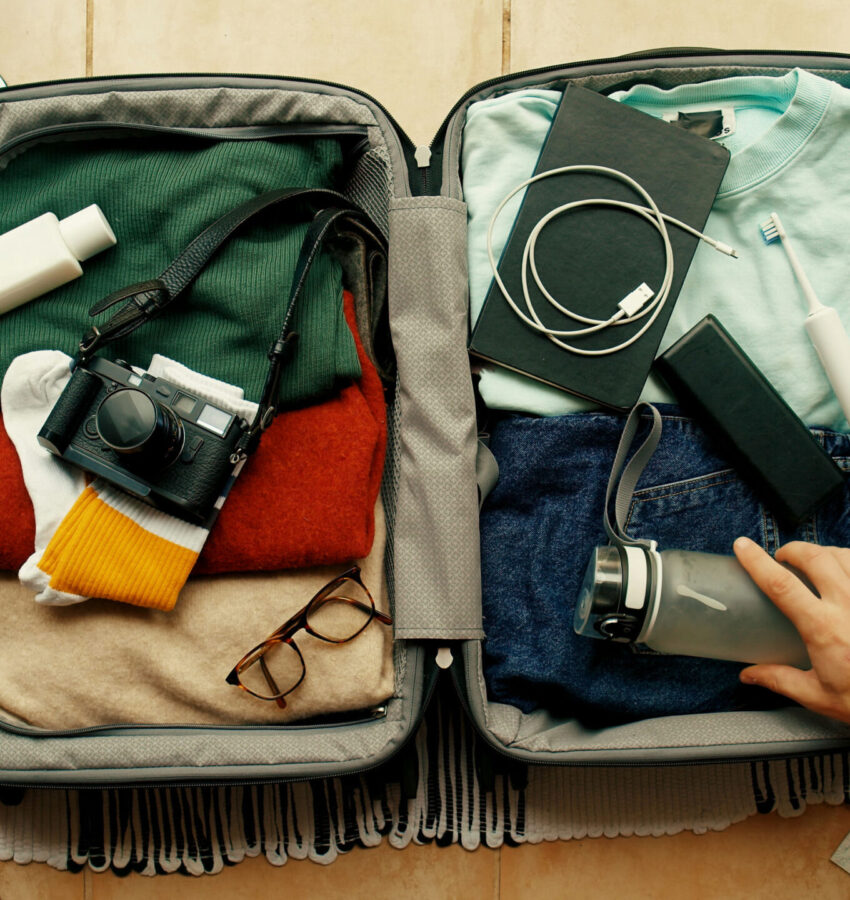
Staff will review your belongings during intake for safety. Pack in soft-sided luggage and organize by category; it speeds up inspection.
Categorization: Grouping similar items helps staff verify belongings efficiently.
Luggage type: Soft luggage is often easier to store than bulky hard-shell cases.
Labeling Your Belongings
Label personal items to avoid mix-ups in shared laundry and common areas. Permanent markers work for hard items, while iron-on labels suit clothing.
Identification: Write your full name on clothing tags and personal items.
Distinctive markers: Use colorful stickers on chargers and electronics to distinguish them.
Recommended Quantities and Organization
Pack 7-10 days of clothing since most facilities have laundry on-site. Bring a 30-day medication supply in original containers.
Organization: Keep essential documents in an accessible pocket to speed up check-in.
Space considerations: Packing efficiently creates a more peaceful living environment.
Emotional Preparation for Treatment
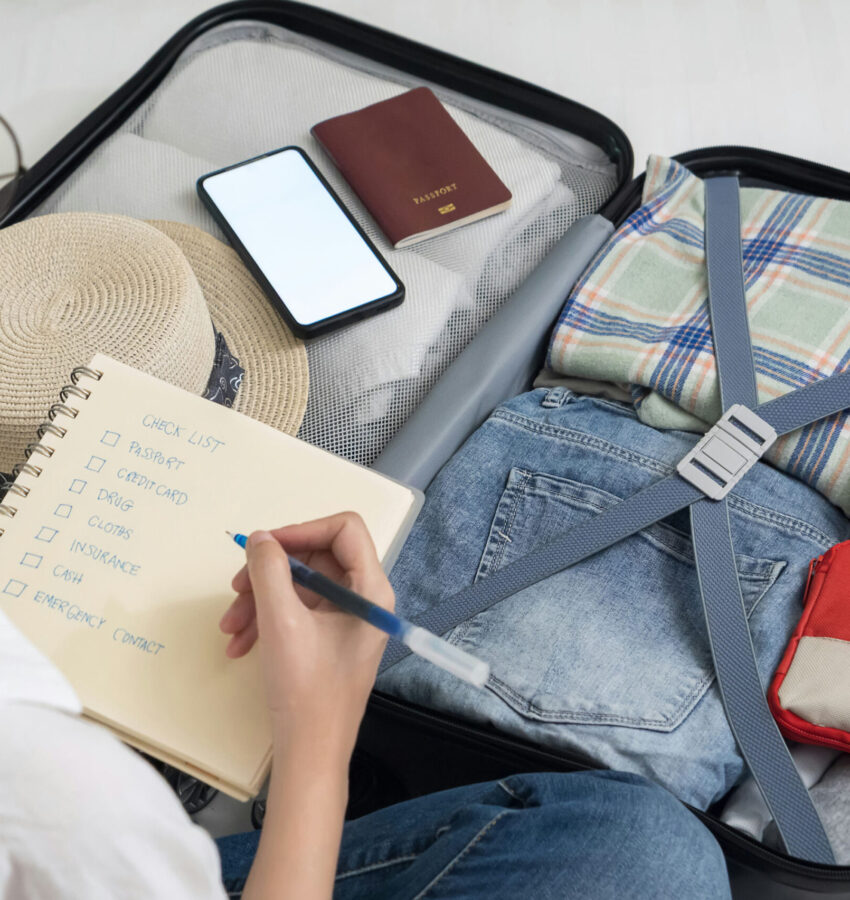
Entering treatment requires both physical and mental preparation. Packing covers the practical side, but emotional preparation shapes how you’ll engage with recovery.
Acceptance: Acknowledging you need help takes courage. Recovery is a process; remembering this helps manage expectations.
Openness: Willingness to participate in new therapies fosters growth and healing.
Anxiety before treatment is common and affects most people regardless of background.
Coping strategies: Maintain regular sleep schedules before admission and stay connected with supportive family.
Support systems: The clinical team is trained to help you through the adjustment.
What to Expect on Arrival Day
The Check-in and Intake Process
Staff will check you in, collect documents, and verify insurance. You’ll need photo ID, insurance cards, and a medication list.
Medical assessment: A healthcare provider evaluates physical health and reviews current medications.
Orientation: The intake team answers questions about facility policies and daily schedules.
Belongings Review and Facility Orientation
Staff will verify medications are in original containers, and toiletries are alcohol-free. Personal items like eyeglasses and hearing aids are documented, then returned for daily use.
Tour: Orientation includes a tour of accommodations and therapeutic spaces.
Community integration: Staff explain daily routines, meal times, and therapy schedules.

Bringing Items to Rehab FAQs
Family can usually visit during designated times, which are often on weekends. Visitors can bring additional items, but staff must approve and inspect them first.
If you forget something essential, the center will help coordinate delivery with your family. For non-essentials, staff can provide temporary supplies or arrange a drop-off.
Packing requirements vary by program. Detox programs often have stricter rules due to medical supervision needs. Confirm guidelines with admissions for your specific program.
For longer stays, you can restock toiletries and clothing weekly or bi-weekly. Staff help coordinate restocks through family deliveries or facility shopping.
Most facilities allow care packages if staff approve them beforehand. All packages are inspected to ensure they don’t contain prohibited items.
Begin Your Recovery Journey With Peak Path Health
Knowing what to bring reduces anxiety at admission and helps you focus on healing. The admissions team guides packing essentials and what to expect during intake. Treatment usually lasts 30 to 90 days, with personalized plans that adjust as you progress.
If you are ready to begin your personalized recovery journey, contact Peak Path Health today. Contact us here to take the first step.