
Kratom addiction is a growing concern in Southern California, affecting adults and professionals who turn to the substance for stress relief, pain management, or anxiety. While often marketed as a “natural” remedy, kratom carries serious risks of dependence, tolerance, and withdrawal, making misuse more dangerous than many realize.
In the “Golden State,” the rise in kratom use underscores the need for expert intervention and compassionate care. Peak Path Health, with locations in the Hollywood Hills and Woodland Hills of Los Angeles, CA, provides discreet, personalized treatment in a luxury setting.
Our programs combine medically supervised detox, evidence-based therapies, integrated dual diagnosis care, and holistic wellness practices to help patients safely overcome addiction and reclaim their health, confidence, and overall well-being.
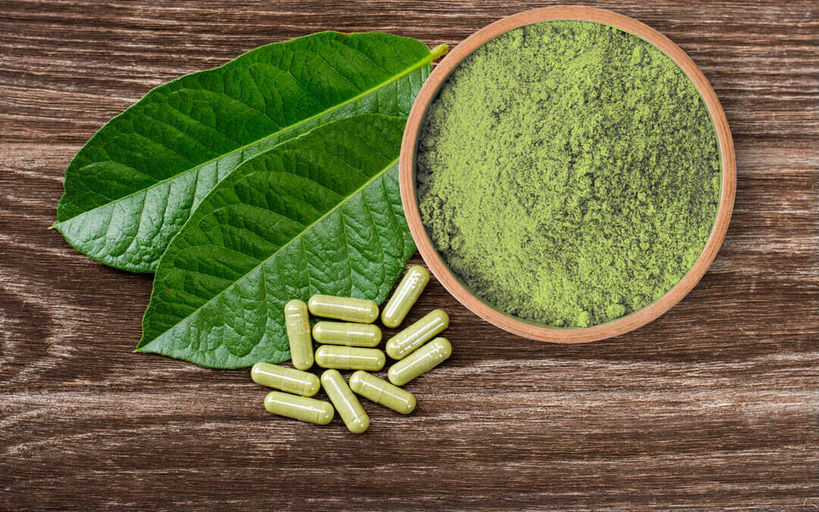
Individuals with high-stress lifestyles or those self-medicating for mental health concerns are particularly at risk. Kratom is commonly consumed as tea, in capsules, or as a powder mixed with liquids, while chewing raw leaves or smoking is less common in the United States. It is often purchased from smoke shops, online retailers, or specialty stores, and the lack of regulation means product potency and purity can vary widely, increasing the risk of accidental overdose or exposure to harmful contaminants.
Kratom Legal Status and Regulation in California
Prevalence and Trends of Kratom Addiction in Southern California
- An estimated 1.7 million Americans used kratom in 2023.
- Poison control calls rose from 263 in 2011 to over 1,800 in 2022, with 2,000+ calls in 2024.
- CDC reported over 90 kratom-involved deaths between 2022 and 2024.
- Emergency visits often linked to high-potency products or extracts with elevated 7-hydroxymitragynine.
- Urban areas such as Los Angeles, San Diego, and the Bay Area report a significant share of incidents.
- Young adults, professionals, and self-medicating individuals are the largest groups seeking care.
- Concentrated or enhanced products increase the risk of nausea, agitation, or overdose.
- Rising use among adults seeking alternatives to prescription opioids or ways to manage stress.
- Increased emergency department visits and poison control calls in 2024–2026.
- Professionals and affluent adults are vulnerable due to career pressures and a desire for discretion.
- Individuals using kratom regularly or in high doses are at the greatest risk for dependence, withdrawal symptoms, and adverse reactions.
Both national and California trends emphasize the need for early intervention, public awareness, and professional treatment to prevent serious health consequences associated with kratom misuse.

Signs and Symptoms of Kratom Addiction
- Tolerance: needing higher doses for the same effect
- Withdrawal: sweating, muscle aches, nausea, insomnia, irritability
- Changes in appetite or weight
- Fatigue or lethargy
- Cravings and strong urges to use regularly
- Mood changes: anxiety, irritability, or depression
- Secretive behavior and hiding use
- Neglecting responsibilities at work, school, or home
- Absenteeism, reduced productivity, impaired decision-making
- Withdrawal from loved ones and dishonesty about use
- Daily routines centered on obtaining and using kratom
How Kratom Misuse Affects the Brain and Body
While some individuals use kratom for pain relief, increased energy, or to manage stress, repeated or high-dose use can significantly alter brain chemistry, leading to compulsive use and withdrawal. Over time, these changes can lead to tolerance, cravings, and dependence, making it difficult to function normally without the substance.
- Liver damage, kidney problems, increased seizure risk
- Heart palpitations, high blood pressure, gastrointestinal issues
- Risk of contamination from unregulated products
- Worsened anxiety and depression
- Possible hallucinations, paranoia, or mood disorders
- Recovery may require integrated care for co-occurring disorders
- Muscle aches, insomnia, irritability, mood swings, and cravings
- Severity depends on duration and amount of use
- Medical supervision recommended for safe detox
Beyond the brain, kratom misuse can impact multiple bodily systems, increasing the risk of liver and kidney damage, gastrointestinal issues, cardiovascular problems, and other serious health complications. Understanding these effects is critical for recognizing the risks and seeking professional support when necessary.

Why Kratom Addiction Is So Dangerous
Self-medicating with kratom can also mask underlying mental health conditions, worsen anxiety or depression, and complicate recovery. Withdrawal symptoms can include nausea, insomnia, muscle aches, and irritability, making professional intervention essential. The FDA and CDC have issued multiple warnings about kratom’s potential for addiction, toxicity, and death, and the reiterates that kratom is not approved for any medical use.
Kratom in the Media: Myths and Misconceptions
- Kratom is a safe, natural alternative to prescription drugs
- Plant-based legality means it is harmless
- Mixed coverage leads to misinformation
- Social media can spread inaccurate perceptions
- Kratom addiction is real and growing
- Education and professional intervention are essential
Separating fact from fiction empowers individuals to make safer choices and seek professional help when needed, ensuring that the real risks of kratom use are not underestimated.


Kratom Addiction Treatment at Peak Path Health
Each patient receives a personalized treatment plan tailored to their needs, lifestyle, and recovery goals, integrating evidence-based therapies with holistic wellness practices, individual therapy and group therapy, dual diagnosis care, and luxury accommodations for comfort and focus. Aftercare includes relapse prevention planning, alumni support, and ongoing resources to maintain personal and professional wellness.
- Medically supervised detox in a safe, controlled environment
- Personalized care throughout withdrawal
- First step in a comprehensive, structured recovery plan
- Provides 24/7 inpatient care in a structured, supportive environment, allowing clients to focus fully on their recovery and healing.
- Luxury accommodations and holistic wellness services
- Executive rehab options designed for working professionals and high-achieving adults
- Individual and group counseling sessions
- Integrated treatment for anxiety, depression, or other mental health conditions
- Dual diagnosis programs improve outcomes and reduce relapse risk
- Addresses both addiction and underlying psychological challenges
- Ongoing counseling, support groups, and wellness services
- Personalized relapse prevention planning
- Alumni services and long-term support to foster resilience, accountability, and purpose
With an emphasis on resilience, accountability, and purpose, Peak Path Health delivers individualized, ethical care, with specialized expertise in supporting professionals and affluent adults toward lasting recovery.
Kratom Addiction FAQs
Yes, chronic use of kratom can lead to liver injury.
Addiction can develop within weeks, especially at high doses. There are no strains of kratom that are more addictive than the other. Higher concentrations increase risk, but all strains carry dependence potential.
Kratom and opioids both interact with the body’s opioid receptors, producing pain-relieving and sedative effects. However, they differ significantly in potency and risk. Traditional opioids such as fentanyl and oxycodone are highly potent and carry a high risk of dependence and fatal respiratory depression, a leading cause of overdose deaths.
Kratom acts as a partial agonist at opioid receptors, making it generally less potent than traditional opioids. Still, it is not risk-free and can lead to dependence, withdrawal symptoms, and other adverse health effects.
As both substances affect the same receptors, treatment for kratom and opioid use disorders often includes medical supervision, behavioral therapy, and medication-assisted treatment when appropriate to support long-term recovery.
Yes, it can disrupt sleep patterns, and if severe, kratom misuse can cause insomnia.
Yes, kratom dependency or addiction can worsen certain mental health conditions, including anxiety disorders and depression. While some people use kratom for its temporary mood‑boosting or relaxing effects, regular or heavy use can lead to mood swings, increased anxiety, irritability, and depressive symptoms, especially as the drug wears off.
Over time, dependence and withdrawal may also develop, which can further intensify anxiety, restlessness, and low mood. Because kratom affects brain receptors involved in mood and reward, individuals with existing mental health conditions may be particularly vulnerable to these negative effects.
Recover From Kratom Addiction at Peak Path Health
Overcoming kratom addiction requires professional care, support, and a personalized approach. At Peak Path Health in Hollywood Hills and Woodland Hills, Los Angeles, CA, we offer discreet residential treatment, executive rehab programs, and evidence-based therapy for both physical dependence and underlying mental health challenges.
Begin your journey to lasting recovery today and contact us to take the first step toward a healthier, sober life.